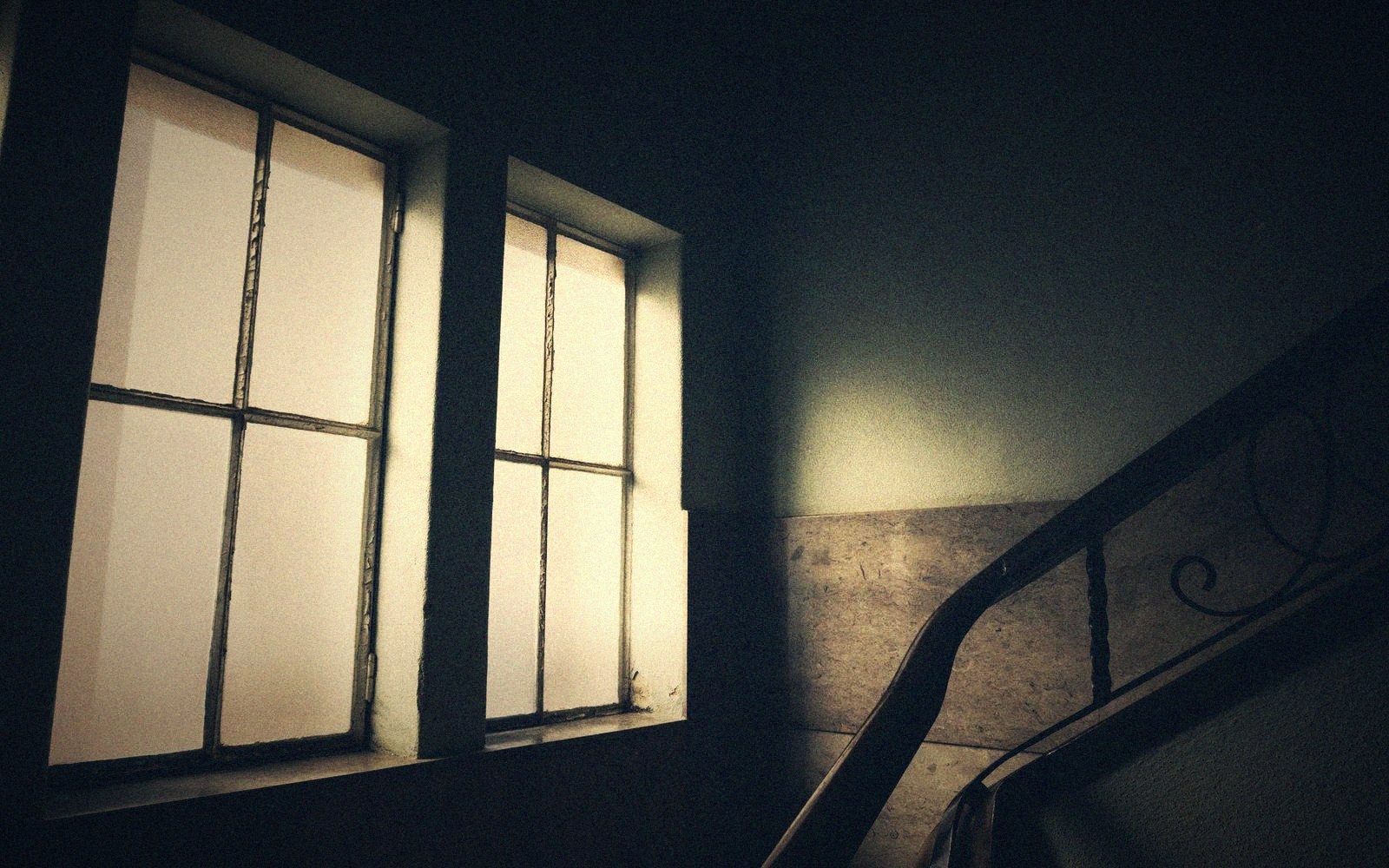
The genre's central question is always the same
The domestic thriller begins with a closed door, and what matters is which side of it the threat lives on. In the cycle that runs from Gaslight (1944) through Sleeping with the Enemy (1991) and forward into recent work like The Invisible Man (2020), the danger is not a stranger in the dark but the familiar: a husband, a house, a life that has been arranged to make her doubt herself. The form is descended, quite directly, from the Gothic novel — a woman alone in a large building that seems to conspire against her — stripped of the supernatural and relocated to bourgeois domesticity.
That relocation is where the genre's real argument lives. Because the house is also the approved space, the safe space, the space she is told to want. When it becomes the site of menace, the film cannot simply let her run from it; it has to work out why she stays, how she is kept, and who refuses to believe her. The third party who dismisses her — the doctor, the friend, the officer at the desk — is not a minor character. He is the mechanism. He makes the trap.
This is why the "is she imagining it?" structure is not a lazy plot device but a formal pressure. The gaslight technique — the term arrives, of course, from the play Gas Light and the Cukor film that popularized it — works cinematically because point-of-view is a camera decision. If we see only what she sees, and she is being systematically misled, then the film puts us in the unreliable position too. We are not watching her doubt; we share it. The moment of confirmation, when the camera finally shows us the thing she was right about all along, lands as both horror and vindication simultaneously.
The house as the threat, and the long argument about whether she is imagining it.
The genre took decades to be read clearly. A whole tradition was filed as women's pictures — implying melodramatic excess, limited ambition — and that filing stuck well past the point where the craft could refute it. The domestic thriller is, among other things, a finely engineered argument about epistemology: who gets to know what, who is believed when they report it, and what it costs to be right in a space designed to make you feel wrong. Those are not small questions dressed in curtains and kitchens. They are the questions.

What the best examples in the form understand is that the house has to be seductive first. The threat must arrive inside something that looked like comfort. The cinematography earns that weight by making the rooms beautiful before it makes them hostile — and the cut that turns beauty to menace is, structurally, the film's real inciting incident.
What the form turns on
- The gaslight technique
- systematic manipulation of another person's perception of reality; the Cukor film named the concept
- Point-of-view as camera decision
- sharing the protagonist's uncertainty rather than watching it from outside
- The dismissive third party
- doctor, police officer, friend who refuses belief; structural mechanism, not supporting character
- The confirming cut
- the moment the camera shows what she was right about; horror and vindication at once